One-Pan Breakfast Ideas for Busy Mornings
Morning routines are often a race against the clock, leaving little time for elaborate meal preparation. However, a nutritious start to the day does not have to involve multiple pots and a mountain of dishes. By utilizing a high-quality non-stick frying pan, you can create delicious, balanced meals in a single vessel. This guide explores versatile one-pan breakfast concepts and provides practical tips on selecting the right tools to streamline your morning routine without sacrificing flavor or nutrition.
Simple One-Pan Breakfast Ideas You Can Make in Minutes
Efficiency is the cornerstone of a successful morning. One-pan meals minimize the logistical complexity of cooking, allowing you to focus on getting out the door.
The Sweet and Savory Breakfast Skillet
A breakfast skillet is an excellent way to use up leftover vegetables or proteins from the previous night's dinner. By sautéing diced potatoes, bell peppers, and onions in a non-stick fry pan, you create a hearty base. Once the vegetables are tender, you can crack two eggs directly over the mixture. Covering the pan for a few minutes allows the eggs to steam gently, resulting in a complete meal that provides sustained energy throughout the morning.
Mediterranean-Inspired Shakshuka
While traditional shakshuka involves poaching eggs in a spiced tomato sauce, a simplified version can be achieved quickly. Simmering crushed tomatoes with garlic and spinach provides a rich environment for the eggs. A reliable non-stick pan is particularly helpful here, as it prevents the sauce from caramelizing too aggressively on the bottom, ensuring that the eggs poach evenly in the residual moisture of the vegetables.
Smoked Salmon and Greens Scramble
For those who prefer a lighter start, a quick scramble with smoked salmon and kale is a sophisticated yet simple option. The key is to wilt the greens first with a small amount of olive oil. Adding the eggs and salmon at the end ensures that the delicate proteins remain tender. Because this dish relies on a soft texture, using a non-stick pan for scrambled eggs ensures that nothing clings to the surface, maintaining the fluffy consistency desired for a gourmet result.

What Breakfast Foods Work Best in a Frying Pan
Understanding which foods are "pan-friendly" helps you build better one-pan combinations.
Starchy Bases and Root Vegetables
Potatoes, sweet potatoes, and even parsnips are ideal for one-pan meals because they hold their shape and absorb the flavors of other ingredients. To ensure they cook through without burning, consider dicing them into small, uniform cubes. These starchy bases provide the necessary "floor" for your meal, allowing you to nestle other ingredients like eggs or sausages on top as the cooking process nears completion.
Leafy Greens and Soft Vegetables
Vegetables such as spinach, mushrooms, and zucchini cook rapidly and release moisture, which can help steam other components of the dish. It is often best to add these toward the middle of the cooking process. For instance, mushrooms can be browned initially to develop a deep umami flavor, while spinach should be tossed in at the very last minute to prevent it from becoming overly soggy.
Quick-Cooking Proteins
Bacon, breakfast sausages, and Canadian ham are staples for a reason—they cook quickly and provide flavorful rendered fats that can be used to season the rest of the pan. If you are using a plant-based alternative, ensure you use a small amount of oil to help the protein brown. Using a high-quality non-stick frying pan ensures that these proteins develop a golden exterior without sticking, even when using minimal added fats.
Easy Egg-Based Breakfasts You Can Cook in One Pan
Eggs are the versatile stars of the breakfast world. Mastering different egg techniques in a single pan can significantly expand your morning menu.
The Classic French Omelet
Achieving a smooth, pale yellow omelet requires precision and a superior surface. The best non-stick frying pan for eggs allows the egg mixture to slide freely as you tilt the pan. To keep the omelet tender, use a medium-low heat setting and a silicone spatula. The goal is to create a soft curd and fold the egg over itself just before the center is fully set, allowing the residual warmth to finish the cooking.

Soft and Creamy Scrambled Eggs
Scrambled eggs are often subject to overcooking, which results in a rubbery texture. To avoid this, use a non-stick pan for scrambled eggs and keep the heat consistent and moderate. Continuous stirring with a heat-resistant spatula creates small curds. If you want to add cheese or herbs, do so just as the eggs transition from liquid to solid. This ensures the additions are integrated without the eggs becoming dry or tough.
Sunny-Side Up with Toasted Aromatics
If you enjoy crispy edges on your eggs, try frying them alongside aromatics like chili flakes or sage leaves. The oil becomes infused with these flavors, which then transfer to the egg whites. Using a non-stick pan ensures that even if the edges become slightly crisp, the delicate yolk remains intact and the egg can be easily transferred to a plate or a piece of toast without tearing.
Quick Pancakes and Toasts for Busy Mornings
One-pan cooking isn't limited to savory egg dishes. Sweeter options and toasted items can also be prepared efficiently in a single skillet.
A popular healthy breakfast involves mashing a ripe banana and mixing it with two eggs to create a simple batter. These "pancakes" are incredibly delicate and prone to breaking on traditional surfaces. However, on the best non-stick frying pan, they flip easily. Because they contain natural sugars from the banana, they brown quickly, so maintaining a steady, moderate heat is essential for a soft, cooked-through center.

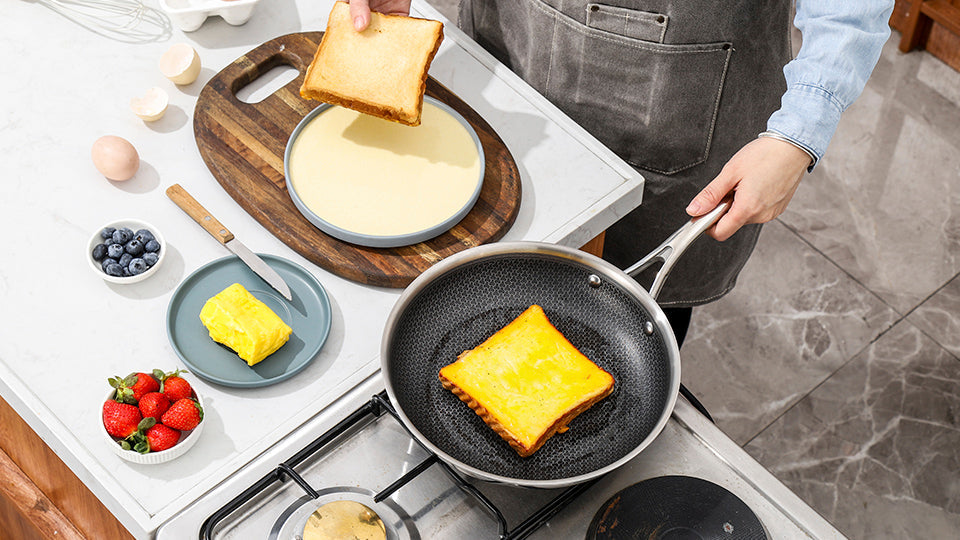
Instead of using a griddle, you can toast bread soaked in an egg and cinnamon mixture directly in your frying pan. To make it a full meal, you can sauté apple slices or berries in the corner of the pan while the toast browns. This "zoning" technique allows the fruit to soften and release its juices, creating a natural syrup that complements the toast, all while saving you the trouble of cleaning a second pot.
How to Cook a Full Breakfast Using Only One Frying Pan
The "Full English" or "Grand Slam" style breakfast typically uses several pans, but with a bit of strategy, you can achieve the same results in one.
To cook a full breakfast successfully, you must prioritize ingredients based on their cooking times.
- Proteins First: Start by browning your bacon or sausages. This develops flavor and renders fat.
- Vegetables Second: Move the proteins to one side and add your potatoes or mushrooms to the center. They will benefit from the seasoned oil already in the pan.
- Eggs Last: Once the heavier items are nearly done, clear a small space or "well" in the center or side of the pan. Add your eggs here.
By the time the eggs are set to your liking, the proteins will be crisp, and the vegetables will be tender.
If your non-stick fry pan is getting crowded, don't be afraid to stack some of the finished vegetables on top of the sausages to make room for the eggs. This keeps the vegetables warm without overcooking them. The aluminum or copper core found in many high-end pans helps distribute the heat evenly across the entire surface, ensuring that the items at the edge of the pan stay warm while the eggs in the center cook steadily.
Best Frying Pan Features for Morning Cooking
Investing in the right hardware can make your morning preparation feel like a professional experience rather than a chore.
Superior Food Release
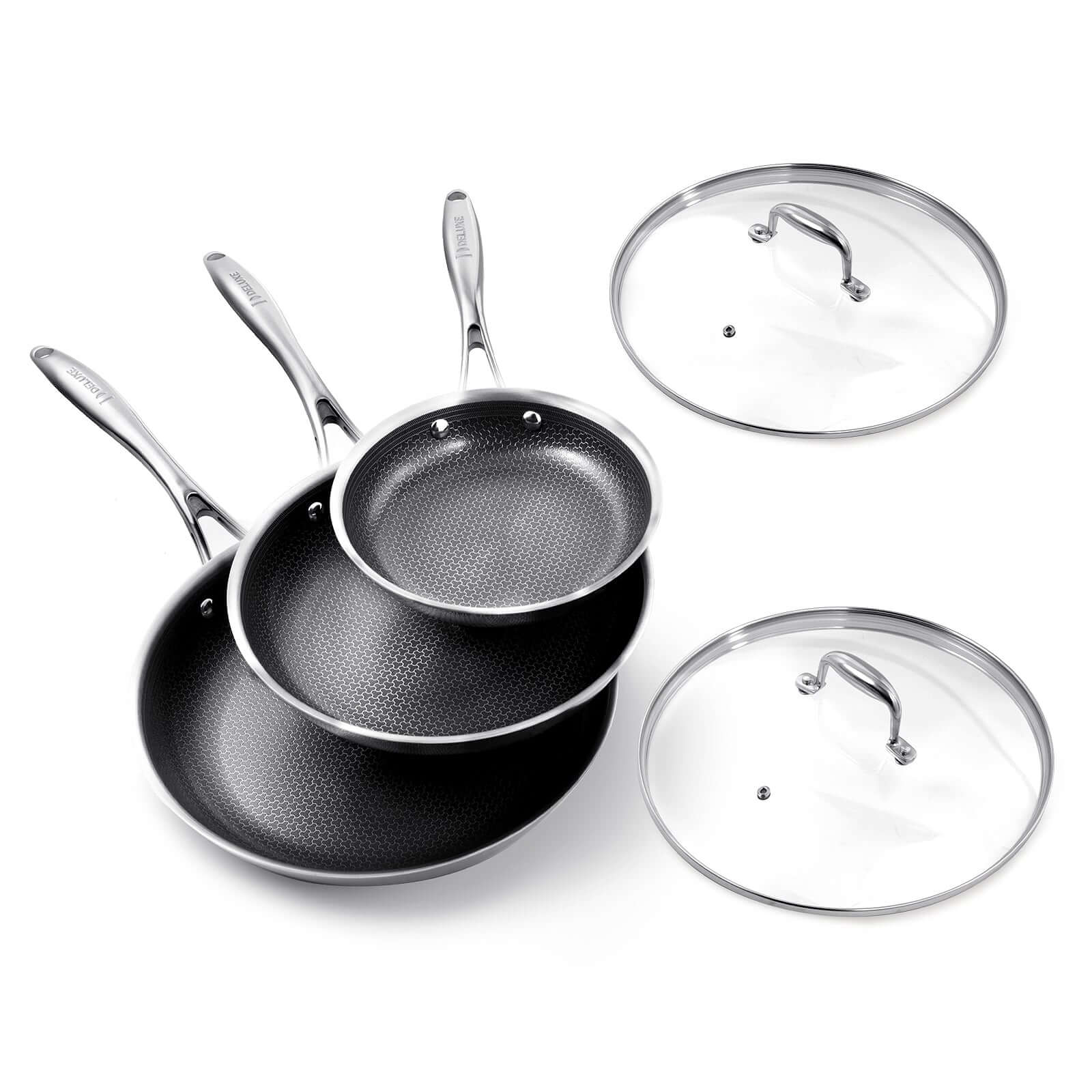
The best non-stick frying pan is defined by its ability to release food without the need for excessive oil. This is not just about health; it is about the integrity of your meal. When an egg or a pancake sticks, it often tears, ruining the presentation and making cleanup difficult. Look for multi-layered coatings that are PFOA-free and reinforced for durability, as these tend to provide the most consistent release over time.
Ergonomics and Weight
In the morning, you want a tool that is easy to handle. A pan that is too heavy can be difficult to tilt when making omelets, while one that is too light may warp or have poor heat retention. A stainless steel handle that stays cool on the stovetop is a vital safety feature. Additionally, a balanced weight allows for better control when tossing vegetables or sliding a "sunny-side up" egg onto a plate.

Heat Distribution and Stability
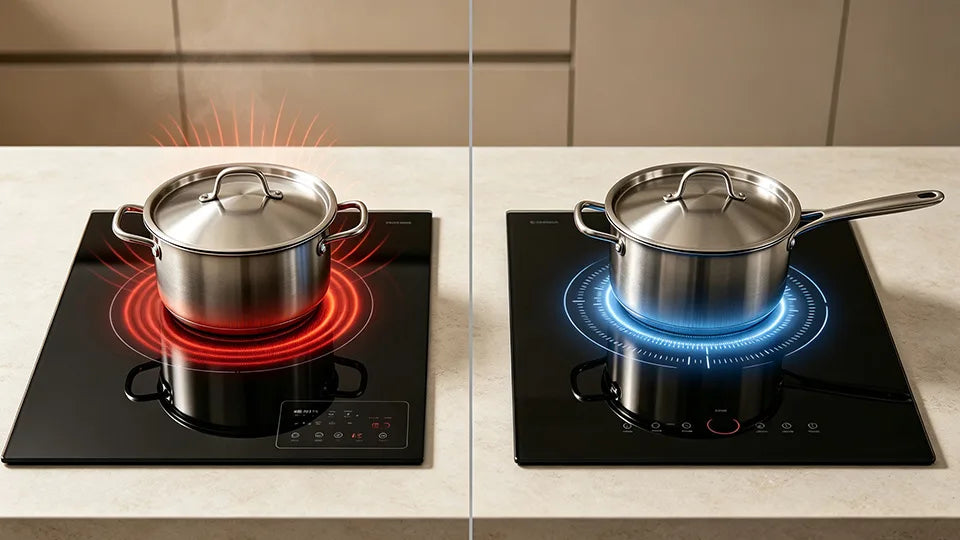
A thick, flat base is essential for preventing hot spots. If one side of your pan is significantly warmer than the other, your one-pan breakfast will cook unevenly. Many of the best non-stick frying pans for eggs utilize a bonded base that ensures the warmth spreads rapidly from the center to the edges. This stability is particularly important on glass-top or induction stoves, where full surface contact is required for efficiency.
Simple Cleanup Tips After One-Pan Breakfast
The primary benefit of one-pan cooking is the reduced cleanup time. However, to keep your pan in top condition, you should follow a gentle maintenance routine.
Because you are using a non-stick pan, most residues can be removed with a simple paper towel or a soft cloth while the pan is still slightly warm (but not hot). For a one-pan breakfast involving eggs, you will often find that the surface looks almost clean immediately after serving. A quick rinse with warm, soapy water is usually all that is required to finish the job.
To preserve the lifespan of your non-stick frying pan, never use steel wool or harsh scouring pads. These can create microscopic scratches that compromise the non-stick properties over time. Instead, use a soft sponge. If you have stubborn bits of caramelized sauce from a shakshuka, allow the pan to soak in warm water for ten minutes before gently wiping it clean.

Why One-Pan Breakfasts Work for Busy Lifestyles
Transitioning to a one-pan mindset can transform your relationship with the most important meal of the day.
When you limit yourself to one pan, you simplify the choices you have to make. You focus on what fits and what tastes good together. This reduction in complexity can make the morning feel less overwhelming. Whether you are making a simple scramble or a complex hash, the boundaries of the non-stick fry pan encourage creative, efficient cooking.
Using only one pan consumes less water and energy during the cleanup process. It also encourages the use of fresh, whole ingredients that can be quickly sautéed or poached. For many, the ease of a one-pan breakfast makes it more likely that they will cook at home rather than reach for processed, "on-the-go" options, leading to a more consistent and healthy lifestyle.
Master One-Pan Breakfasts Fast
Embracing one-pan breakfast ideas is a practical way to manage a busy schedule without compromising on meal quality. With a versatile non-stick frying pan, you can master everything from creamy scrambled eggs to hearty vegetable hashes. By selecting the best non-stick frying pan for your needs and practicing sequential cooking techniques, you can enjoy a stress-free morning and a cleaner kitchen. Start your day with efficiency and flavor by making the most of your most reliable kitchen tool.
FAQs About Non-Stick Breakfast Pans
Can I make pancakes and eggs in the same pan at the same time?
Yes, you can. It is best to use a large non-stick fry pan and cook the pancakes first on one side. Once they are flipped and nearly done, you can add your eggs to the other side. This ensures everything is warm when served.
What is the best non-stick pan for scrambled eggs?
The best non-stick frying pan for scrambled eggs is generally one with a very smooth, durable coating and sloped sides. The sloped design allows you to stir the eggs easily and ensures they slide out perfectly onto the plate.
How do I prevent my one-pan hash from becoming soggy?
Generally, you should avoid overcrowding the pan. If there are too many vegetables, they will steam rather than fry. Cooking in a large non-stick pan and adding ingredients in stages helps moisture evaporate, keeping the textures crisp.
Is it safe to use a non-stick pan every day?
Yes, as long as you use the pan correctly. Avoid using metal utensils and stick to moderate heat settings. High-quality non-stick frying pan options are designed for daily use and provide a safe, convenient surface for all your breakfast needs.
How often should I replace my non-stick pan?
While it depends on the quality, a good non-stick pan typically lasts between two and five years. If you notice that eggs are starting to stick or the coating is visibly peeling, it is likely time to invest in a new one to maintain your morning efficiency.