How to Tell if Your Frying Pan Is Oven-Safe (and What Temperature It Can Handle)
Mastering the art of stovetop-to-oven cooking is a milestone for any home chef, as it allows for perfect searing followed by gentle roasting. However, using the wrong equipment can lead to ruined meals, damaged pans, or even safety hazards. Determining if your oven-safe cookware is truly up to the task involves more than a simple guess. This guide explores how to identify a truly oven-friendly pan and the temperature thresholds of common kitchen materials.
Check the Bottom for a Manufacturer’s Logo
The most reliable way to determine if a pan can withstand the heat of an oven is to look for physical evidence provided by the manufacturer. High-quality oven-safe cookware almost always features a stamp or engraved icon on the underside of the base. This information is typically located in the center of the bottom surface, often alongside the brand name and country of origin.
Recognizing the Oven-Safe Symbol
Manufacturers often use a stylized icon of an oven to indicate compatibility. If you see a small square with horizontal lines (representing oven racks), the pan is likely intended for oven use. Some brands will explicitly stamp the words "Oven Safe" or provide a specific temperature rating, such as "Oven Safe to 450°F." If the base is smooth or only mentions induction or dishwasher compatibility, you should proceed with caution and investigate the materials further.
Identifying the Brand for Online Research
If the logo is present but the symbols are unclear, identify the brand and model series. Most major cookware manufacturers provide detailed PDF manuals or product specifications on their official websites. By searching for your specific oven safe skillet, you can often find the exact temperature limit. For older or vintage pans where the logo has worn away, you will need to rely on material analysis to judge its safety.
Understanding Induction vs. Oven-Safe Markings
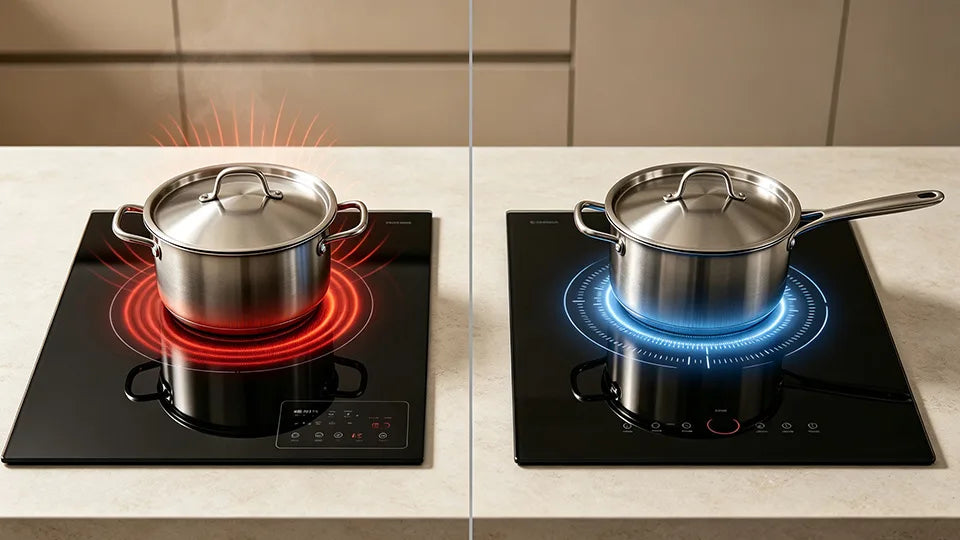
It is important not to confuse induction-ready symbols with oven-safe symbols. An induction-safe marking usually looks like a series of loops or a coil. This indicates the pan has a magnetic base for the stovetop but says nothing about its ability to withstand the ambient heat of an oven. Always look for the distinct oven icon or specific temperature text to ensure you are using oven-safe cookware correctly.

What Materials Are Naturally Oven-Compatible?
While a logo is helpful, the physical composition of the pan is the ultimate factor in heat resistance. Different materials expand and contract at varying rates, and some can release toxic fumes if overheated. Understanding the properties of your cookware helps you decide which oven-friendly pan is best for your recipe.
Cast Iron and Carbon Steel
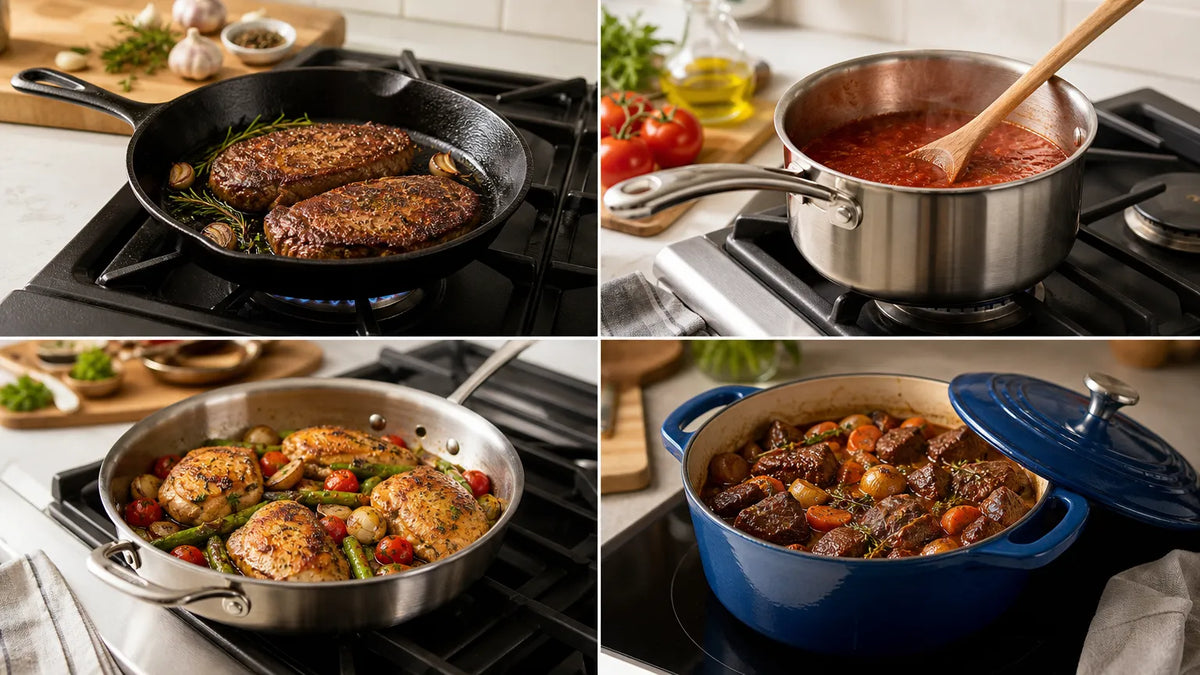
Raw cast iron and carbon steel are the most naturally oven-compatible materials available. Because they are forged from solid metal without synthetic coatings, they can handle extreme temperatures, often exceeding 500°F. These are the gold standard for an oven safe skillet, making them ideal for high-heat tasks like searing steaks or baking cornbread. The only limitation for these materials is usually the seasoning or the handle attachments.
Stainless Steel
Most high-end stainless steel pans are oven-safe and highly durable. Stainless steel is often constructed in "plies" or layers, with aluminum or copper cores for heat conduction. These internal layers do not affect oven safety. However, lower-quality stainless steel might have "disc bottoms" that are glued on rather than bonded; in rare cases of extreme heat, these discs can separate, though this is uncommon in modern oven-safe cookware.
Ceramic and Enameled Coatings
Enameled cast iron (such as Dutch ovens) and pure ceramic pans are generally safe for the oven. The enamel is essentially a glass coating fired at very high temperatures, so it handles oven heat with ease. However, ceramic-coated non-stick pans (which are different from solid ceramic) may have lower limits. While the ceramic itself is heat-resistant, the bonding agents used to attach it to the metal may degrade at the maximum oven temperature for pans used in professional baking.
Non-Stick (PTFE/Teflon)
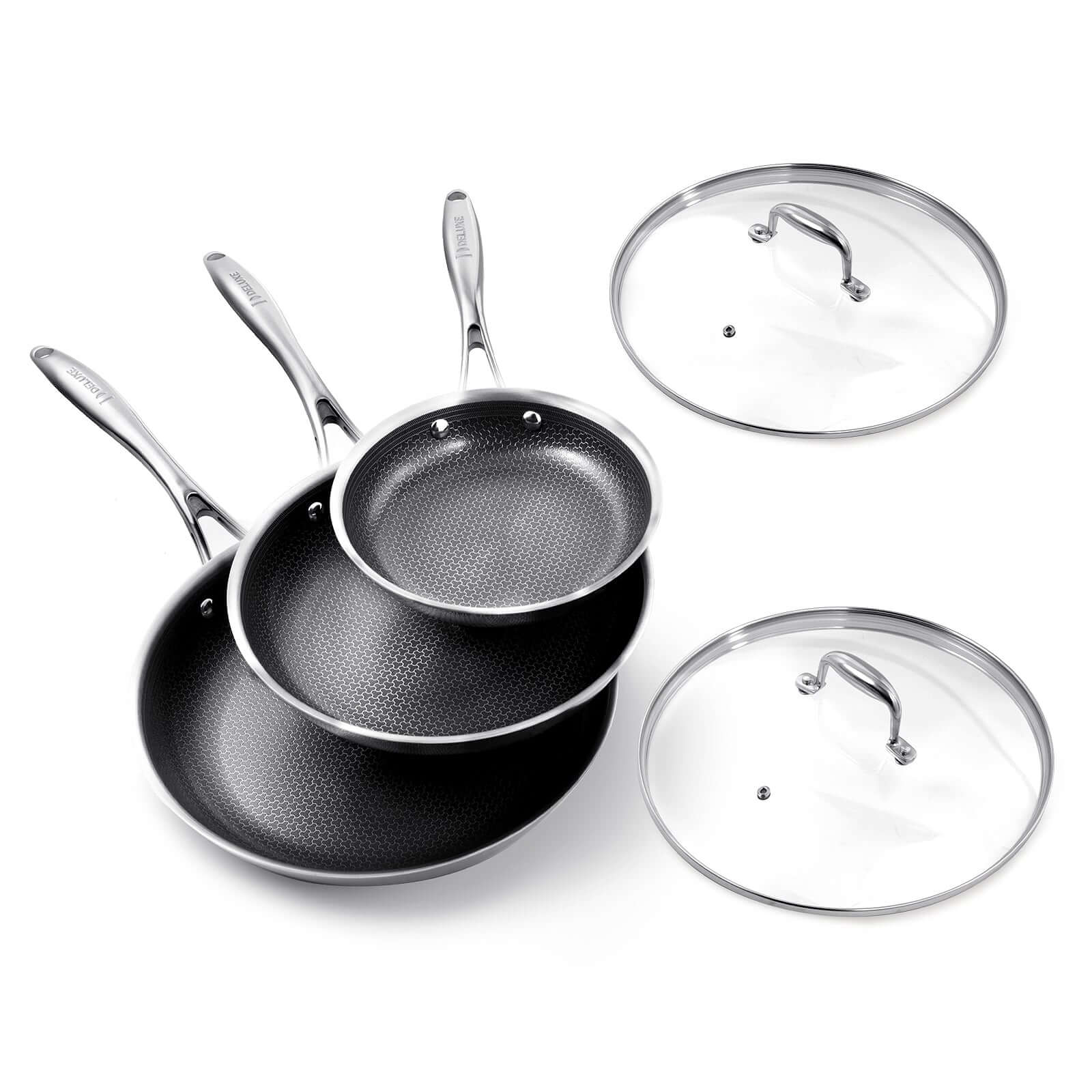
Traditional non-stick pans require the most scrutiny. Older PTFE coatings can begin to break down and release harmful fumes at temperatures above 400°F to 450°F. While many modern non-stick pans are labeled as oven-safe, they often have a much lower threshold than their stainless steel counterparts. If you are using a non-stick oven safe skillet, it is vital to keep the oven below the manufacturer's stated limit to preserve the coating's integrity.
Examine the Handle Material and Attachments
The handle is often the "weakest link" in an oven-friendly pan. A pan body might be able to withstand 500°F, but the handle could melt or crack at 300°F. The process of checking pan handles for oven safety involves identifying the material and how it is connected to the body of the pan.
Metal Handles vs. Synthetic Materials
If the handle is made of the same metal as the pan body (such as cast iron or riveted stainless steel), it is almost certainly oven-safe. These handles will become extremely hot, so oven mitts are mandatory. Conversely, handles made of plastic, wood, or Bakelite are a major red flag. Bakelite is a thermosetting plastic that does not melt but can become brittle and char if exposed to high heat, usually limiting the pan to 350°F or less.

Silicone Overmolds and Wraps
Many modern pans feature silicone-wrapped handles for a "cool-touch" grip on the stovetop. High-grade silicone is usually heat-resistant up to 400°F or 450°F. However, not all silicone is created equal. If the silicone feels thin or is removable, it may not be intended for the oven. Always check the packaging to see if the silicone grip is part of the oven-safe cookware design or if it needs to be removed before roasting.
Rivets, Screws, and Welds
How the handle is attached also matters. Rivets (the small metal "buttons" seen inside the pan) are the most secure and heat-resistant attachment method. Screws are common in budget cookware and can sometimes loosen during thermal expansion. Welded handles are generally safe but can occasionally fail under extreme weight and heat. When checking pan handles for oven safety, ensure there are no plastic spacers or washers between the handle and the pan body, as these will melt quickly.
Does the Lid Have a Different Temperature Rating?
It is a common mistake to assume that if a pan is oven-safe, the lid is too. Lids are often made of different materials, such as tempered glass or specialized plastics, which have lower heat tolerances than the metal pan itself.
Tempered Glass Lids
Most modern glass lids are made from tempered glass, which can handle temperatures up to 350°F or 400°F. However, they are susceptible to shattering if exposed to rapid temperature changes. If your recipe requires a maximum oven temperature for pans above 400°F, it is safer to leave the glass lid off or use a piece of heavy-duty aluminum foil as a makeshift cover.

Plastic Knobs and Steam Vents
Even if the glass is rated for high heat, the knob on top might be made of plastic. If the knob is attached with a simple screw, it may be possible to replace it with a metal aftermarket knob to make the lid more oven-safe. Additionally, some lids have rubber gaskets around the steam vents; these can dry out and fail if used frequently in a high-heat oven environment.
Metal Lids
Solid metal lids are the safest choice for oven use. A stainless steel or cast iron lid will have the same temperature rating as the pan itself. These lids create a better seal for braising and do not carry the risk of shattering associated with glass. When looking for skillets oven-safe for long-duration cooking, a matching metal lid is a significant advantage.
Verify the Maximum Temperature Limit
Every piece of oven-safe cookware has a breaking point. Knowing the maximum oven temperature for pans in your cupboard is essential for preventing accidental damage to the non-stick surface or the structural integrity of the metal.
Standard Temperature Tiers
- 350°F: The safe limit for most pans with Bakelite or plastic handles and glass lids with plastic knobs.
- 400°F - 450°F: The standard limit for most modern non-stick and silicone-handled pans.
- 500°F+: The range for high-quality stainless steel, cast iron, and carbon steel with metal handles.
Broiling typically involves temperatures between 500°F and 550°F, with the pan sitting inches away from a direct flame or heating element. Most non-stick pans and glass lids should never be used under a broiler. Only cast iron, carbon steel, and heavy-duty stainless steel are truly "broiler-safe." Using an oven-friendly pan that isn't rated for the broiler can cause the metal to warp or the coating to vaporize instantly.
Because it is easy to forget the specific ratings of each pan, many home cooks keep a small "cheat sheet" in a kitchen drawer. If you purchase a new oven safe skillet, consider writing its max temperature on a piece of painter's tape and sticking it to the bottom of the handle until you have committed the memory limit. This simple step prevents the costly mistake of overheating a delicate pan.
Avoid Thermal Shock During Transition
Even the best oven-safe cookware can fail if subjected to thermal shock. Thermal shock occurs when a material is forced to change temperature too rapidly, causing different parts of the pan to expand or contract at different speeds.
Never take a hot oven-friendly pan directly from a 400°F oven and place it under a cold tap. This can cause the pan to warp (so it no longer sits flat on the stove) or even cause the metal to crack. For glass lids, thermal shock is even more dangerous, as it often results in the glass exploding into small fragments. Allow your oven-safe cookware to cool naturally on a trivet or the stovetop before introducing water.
Similarly, avoid taking a ceramic or glass dish directly from the refrigerator and placing it into a preheated oven. While some specialized borosilicate glass can handle this, most standard oven-safe cookware cannot. If you have prepped a meal in a pan and stored it in the fridge, let it sit on the counter for 20 to 30 minutes to reach room temperature before beginning the baking process.

Choose the Right Oven-Safe Skillet
Understanding the limits of your kitchen equipment is vital for both culinary success and personal safety. By checking the manufacturer's logo, analyzing the base materials, and performing a thorough check of the handles and lids, you can identify the perfect oven safe skillet for any task. Remember that the maximum oven temperature for pans is a hard limit, not a suggestion. Treat your oven-safe cookware with respect, avoid thermal shock, and you will enjoy versatile cooking for many years to come.
FAQs About Oven-Safe Pans
Can I put a non-stick pan in the oven?
Yes, but only if it is explicitly labeled as oven-safe and the temperature stays within the manufacturer's limits (usually 400°F to 450°F). You must also ensure the handle is not made of wood or low-heat plastic. Overheating a non-stick pan can damage the coating and release harmful fumes, so it is generally better to use stainless steel or cast iron for very high-heat oven tasks.
What happens if I put a non-oven-safe pan in the oven?
Several things can happen, and none are good. Plastic or wooden handles may melt, smoke, or catch fire. The bonding agents in "cladded" bottoms may fail, causing the base to warp or detach. Additionally, synthetic non-stick coatings can degrade and release toxic chemicals into your food and the air. If you are unsure, it is always safer to use a pan that you know is oven-safe.
Are all stainless steel skillets oven-safe?
Generally, yes, the metal body of a stainless steel skillet is naturally oven-safe to very high temperatures. However, the skillet as a whole is only oven-safe if the handle and any lid used are also rated for heat. If the stainless steel pan has a plastic or wooden handle, it is not an oven-friendly pan and should stay on the stovetop.
Can I use a pan with a silicone handle in the oven?
Yes, provided the silicone is high-grade, and the oven temperature does not exceed its rating. Most silicone-handled oven-safe cookware is safe up to 400°F. If you are planning to cook at 450°F or 500°F, you should check the specific model's instructions, as the silicone may begin to soften or emit odors at those higher temperatures.
How can I tell if my pan handle is made of Bakelite?
There are a few indicators. Bakelite is usually hard, glossy, and black. It feels more like stone than modern soft plastics and does not "give" when pressed with a fingernail. If you tap it with a fingernail, it often makes a higher-pitched "click" than softer plastics. Because Bakelite is a thermoset plastic, it is typically only safe up to 350°F, so treat it with caution in the oven.