Flat-Bottom Wok vs. Round-Bottom Wok: What's the Difference?
Choosing the right equipment for your kitchen can significantly impact the quality of your meals. The debate between a flat-bottom wok and a traditional round-bottom model often centers on stove compatibility and cooking technique. While the wok is an ancient tool, modern kitchen technology has necessitated design changes. This guide examines the structural and functional differences to help you identify which wok pan best fits your lifestyle and culinary goals.
What Is a Flat-Bottom Wok?
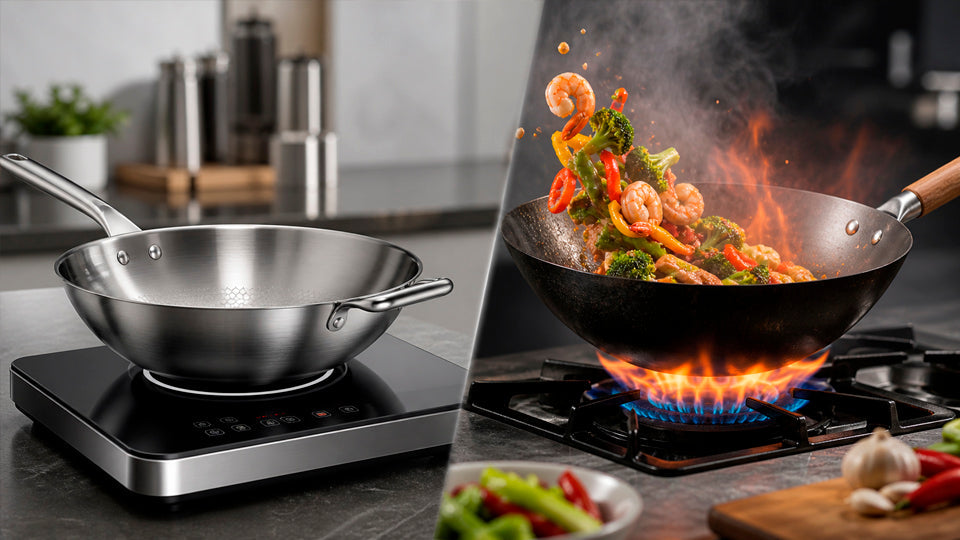
A flat-bottom wok is a modern adaptation of the traditional Chinese vessel, specifically engineered for the flat surfaces of Western-style stoves. It typically features a flattened base approximately 5 to 7 inches in diameter, allowing it to sit securely on a burner without assistance.
Stability and Convenience
The primary advantage of this design is its inherent stability. Because the base is flat, it does not require a specialized ring to stay upright. This makes it a practical choice for home cooks who frequently move between different tasks in the kitchen. It reduces the risk of the pan tipping over when adding ingredients or using a spatula to stir-fry.
Adaptation for Radiant and Coil Stoves
Most residential kitchens in North America and Europe utilize electric coils or radiant glass-top stoves. On these surfaces, a flat base is essential for efficient heat transfer. The direct contact between the heating element and the metal allows the pan to reach the necessary temperatures for a successful stir-fry. Without this contact, the pan may fail to get hot enough to sear proteins correctly.
Versatility in Daily Use
Beyond stir-frying, this design allows the vessel to function much like a deep-sided skillet. You can use it for shallow frying, boiling noodles, or even making sauces. This multi-purpose nature makes it a highly efficient addition to a kitchen with limited storage space, providing the benefits of a high-volume pan with the stability of a standard skillet.

What Is a Round-Bottom Wok?
The round-bottom wok is the ancestral version of this cookware, designed for use over open fire pits or high-intensity specialized burners. It features a perfectly spherical base that curves smoothly into the side walls without any sharp angles or corners.
Concentrated Heat and Efficient Searing
The physics of a spherical base allows heat to concentrate at the very bottom of the pan. This creates an intense "hot zone" that is ideal for searing small batches of meat or vegetables quickly. In professional settings, this concentration of thermal energy allows chefs to achieve a specific flavor profile often referred to as "breath of the wok."
Seamless Tossing and Scooping
Chefs often prefer the round base because of how it interacts with a metal spatula. There are no edges where food can get stuck, allowing for a continuous scooping motion. Furthermore, the curve provides a natural ramp that assists in tossing ingredients through the air. This tossing helps moisture evaporate quickly, which is a fundamental requirement for maintaining the crisp texture of vegetables.
Requirement for External Support
Because the base is curved, a round-bottom wok cannot stand on its own on a flat surface. To use this shape on a standard home stove, you must use a metal wok ring or have a specialized concave burner. While this is the traditional way to cook, it introduces extra hardware and can sometimes distance the pan from the heat source on electric or induction hobs.

Which Wok Works Better On Gas Stoves?
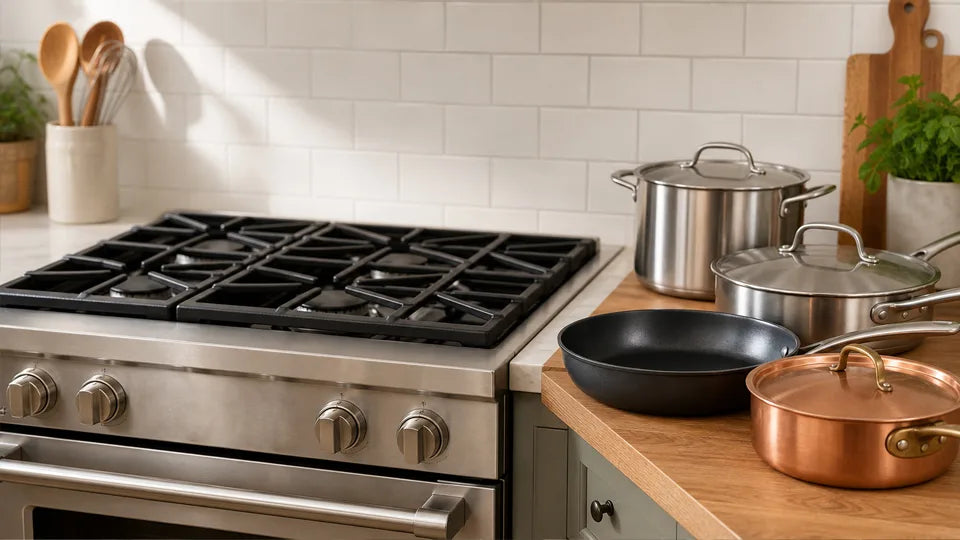
Gas stoves offer the most flexibility when it comes to wok cooking because the open flame can adapt to different base shapes. However, even with gas, your choice depends on the strength of your burners and your comfort with extra accessories.
Utilizing the Flame Wrap Effect
On a gas burner, the flames have the ability to lick up the sides of a round-bottom wok. This creates a large, evenly heated surface area that is difficult to replicate with other designs. If your gas stove has a high BTU (British Thermal Unit) output, the round base can handle larger volumes of food while maintaining the high temperatures needed to prevent steaming.
Stability on Burner Grates
A flat-bottom wok sits directly on the grates of a gas stove, providing a very stable connection. This is often safer for beginners who may not be used to the weight shifts that occur when tossing food. While you lose some of the "flame wrap" on the sides, the direct contact with the burner grates ensures that the center of the pan remains consistently hot throughout the cooking process.
The Role of the Wok Ring
If you choose a round base for your gas stove, you will likely need a wok ring to prevent the pan from wobbling. It is important to choose a ring that is ventilated to allow the gas to breathe. If the ring is too tall, it may lift the pan too far away from the flame, leading to a loss of efficiency. Selecting the right height for your ring is key to making a traditional shape work in a home environment.
Can You Use a Wok on Induction or Electric Stoves?

For those using induction or electric technology, the shape of your stir-fry pan is no longer a matter of preference—it is a requirement of physics.
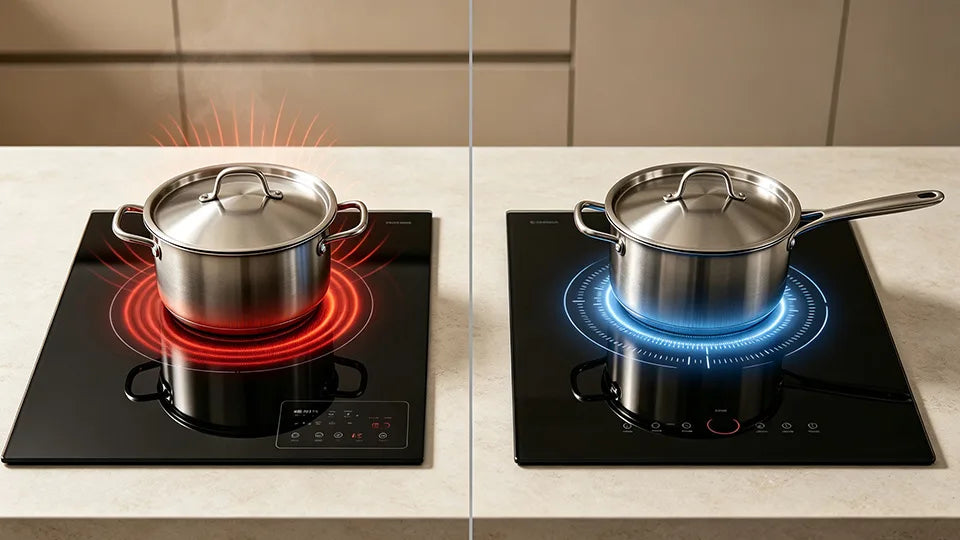
Electric coil and radiant glass stoves rely on conduction to transfer heat. A round base only makes contact at one tiny point, which creates a massive air gap between the stove and the rest of the pan. Since air is a poor conductor of heat, the pan will struggle to reach searing temperatures. A flat base ensures the pan sits flush against the surface, maximizing the energy transfer.
Induction cooking uses magnetic fields to generate heat directly within the metal. This requires the pan to be made of magnetic material, such as carbon steel or cast iron. Furthermore, the induction sensor often requires a certain amount of flat surface area to activate. Therefore, when searching for woks with induction compatibility, a flat-bottomed model is generally mandatory to ensure the stove recognizes the pan.
When shopping for the best woks for induction, check for a heavy, multi-layered base. Some aluminum woks feature a bonded steel plate on the bottom to make them magnetic. Ensure that the flat portion of the base is wide enough to cover the induction "eye" or burner zone on your cooktop. This ensures the magnetic field is distributed evenly, preventing hot spots that can burn your food in the center.
How Does Shape Affect Stir-Fry Performance?
The geometry of your pan dictates how the ingredients move and how they interact with heat and oil. Understanding these mechanics helps you adjust your technique for the best results.
Oil Pooling and Distribution
In a round-bottom wok, oil naturally pools at the absolute center. This makes it very easy to sear small portions of food with minimal oil. In a flat-bottom wok, the oil spreads across the wider flat base. This can be beneficial for browning larger pieces of protein, like chicken thighs or tofu, but it requires a slightly different approach when you want to "flash-sear" finely sliced ingredients.
Managing the Crowding Effect
One common mistake in home cooking is adding too many ingredients at once. In a round base, food tends to pile up in the center, which can lead to steaming. The flat base allows you to spread ingredients out more effectively, which can help moisture evaporate and prevent a soggy texture. Using a high-quality stir-fry pan with a flat base can actually be more forgiving for those who tend to cook large family-sized meals.
Tossing vs. Stirring
Tossing is a hallmark of stir-frying, but it requires more physical effort with a flat base. There is a distinct angle where the flat bottom meets the side walls, which can catch food. To compensate, many home cooks use a stirring motion with a spatula rather than a lifting toss. If you enjoy the traditional tossing method, look for a flat-bottomed pan with a very gradual, sloped transition from the base to the sides.

Choose the Best Wok For Home Cooking
Selecting from the best woks on the market involves balancing material, weight, and your specific kitchen hardware. While there is no single "perfect" wok, certain features provide a better experience for the average home chef.
Prioritize Material Quality
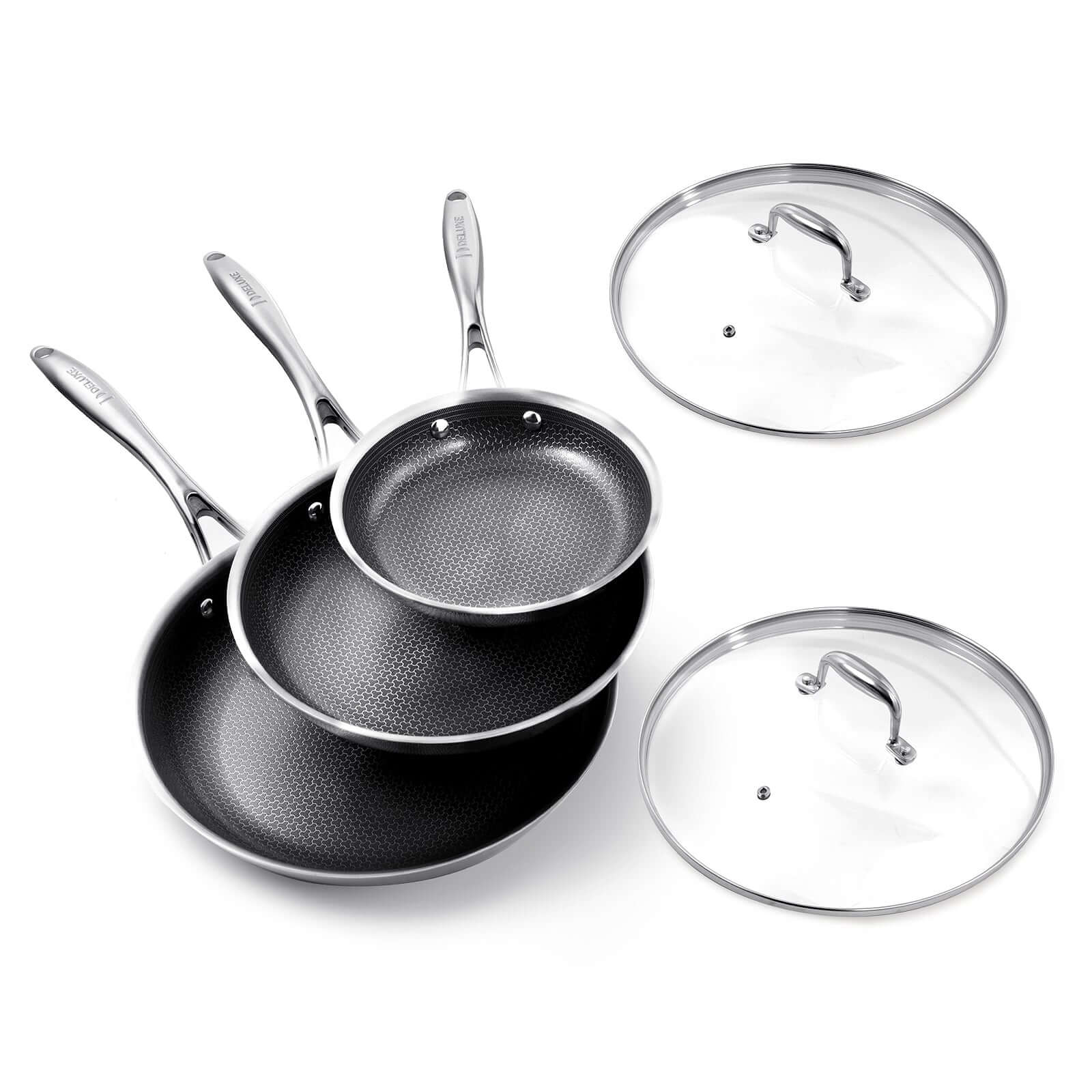
Carbon steel is widely regarded as the best material for both flat and round woks. It is lightweight enough for tossing but durable enough to handle high heat. It also develops a natural nonstick surface over time. If you prefer easier maintenance, a stainless steel or a high-quality flat-bottom wok with a ceramic coating can be an excellent alternative that does not require the traditional "seasoning" process.
Evaluate Handle Ergonomics
For home cooking, a long "stick" handle (often called a Northern-style handle) is usually more practical than two small "ear" handles. A long handle provides the leverage needed to move and tilt the pan safely. Ensure the handle is made of a heat-resistant material like wood or features a silicone grip, allowing you to maneuver the stir-fry pan without needing an oven mitt.

Matching Size to Your Burner
The diameter of the pan should match the size of your household burners. A 14-inch wok is the standard for most homes, as it provides enough space for a four-person meal without being too bulky to store. Ensure the base of your chosen wok pan is not significantly wider than your largest burner, as this can lead to uneven heating where the center is hot but the outer edges are cold.
Choose the Right Wok Base
Choosing between a flat and round base depends largely on your stove type. While a round-bottom wok offers an authentic professional experience on gas ranges, the flat-bottom wok has become the standard for modern electric and induction homes. By selecting the best woks for your specific setup and focusing on even heat distribution, you can master the art of stir-frying in your own kitchen. Invest in quality tools that fit your lifestyle and enjoy the versatility of this classic cooking vessel.
FAQs About Wok Compatibility and Types
Can I use a round-bottom wok on a flat electric stove?
Generally, no. A round base does not make enough contact with a flat electric burner to transfer heat effectively. You would experience very slow cooking times and uneven results. If you have an electric stove, it is highly recommended to use a flat-bottom wok to ensure the base can sit directly on the heating element.
Do I need a wok ring for a flat-bottom wok?
No, a flat-bottom wok is designed to be used without a ring. It is inherently stable and is meant to sit directly on your stove’s grates or glass surface. Using a ring with a flat-bottom pan would actually be counterproductive, as it would lift the base away from the heat source and reduce cooking efficiency.
Are all flat-bottom woks induction compatible?
No, not necessarily. While the shape is correct for induction, the material must be magnetic. Aluminum woks, for example, will not work on induction unless they have a specialized steel plate bonded to the bottom. When shopping for woks, induction compatibility should be clearly stated on the packaging or in the product specifications.
Is a stir-fry pan the same thing as a wok?
Yes and no. While a stir-fry pan is a broad term that can include woks, it often refers to a "skillet-wok" hybrid with a larger flat base and shorter sides. A true wok usually has much deeper, more dramatically sloped sides, which are better for tossing large volumes of vegetables and meat without them falling out of the pan.
Which is easier to clean, a flat or round wok?
It depends on the material rather than the shape. However, some people find a round-bottom wok easier to wipe out because there are no angles where the base meets the walls. If you choose a flat-bottom wok with a high-quality ceramic or nonstick coating, the cleanup process is usually very simple regardless of the interior angles.